
— PROGRAMMES
Community-centered, and built to last
Our programs are shaped by the voices, needs, and wisdom of the people living in under-resourced corners of rural Uganda. Rooted in the belief that community-centered solutions are the ones that generate lasting change, our work takes shape across three interconnected pillars: education, health, and livelihoods.
— EDUCATION
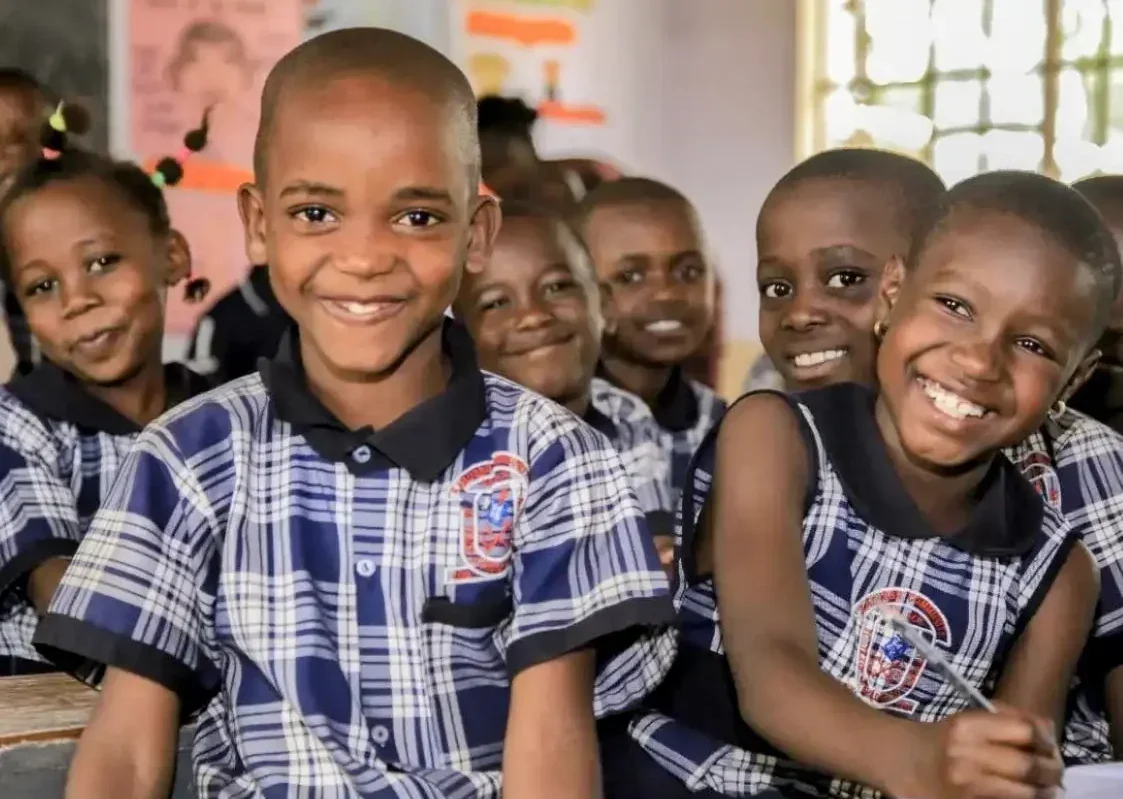
In order to provide children with a foundation for success and to curb the high illiteracy rates in Kabubbu, KDP operates three schools to support learners of all ages.
Primary and Nursery
Founded in 2002 in partnership with Quicken Trust, Kabubbu Community Nursery & Primary School provides children with a foundation for life. Each year, we offer early learning opportunities to children aged 3–5 and primary education to over 425 students, guiding them from their first day of nursery through Primary Leaving Examinations.
Beyond academics, we nurture the whole child by encouraging participation in co-curricular activities that help students discover and develop their unique talents.
Trust High School
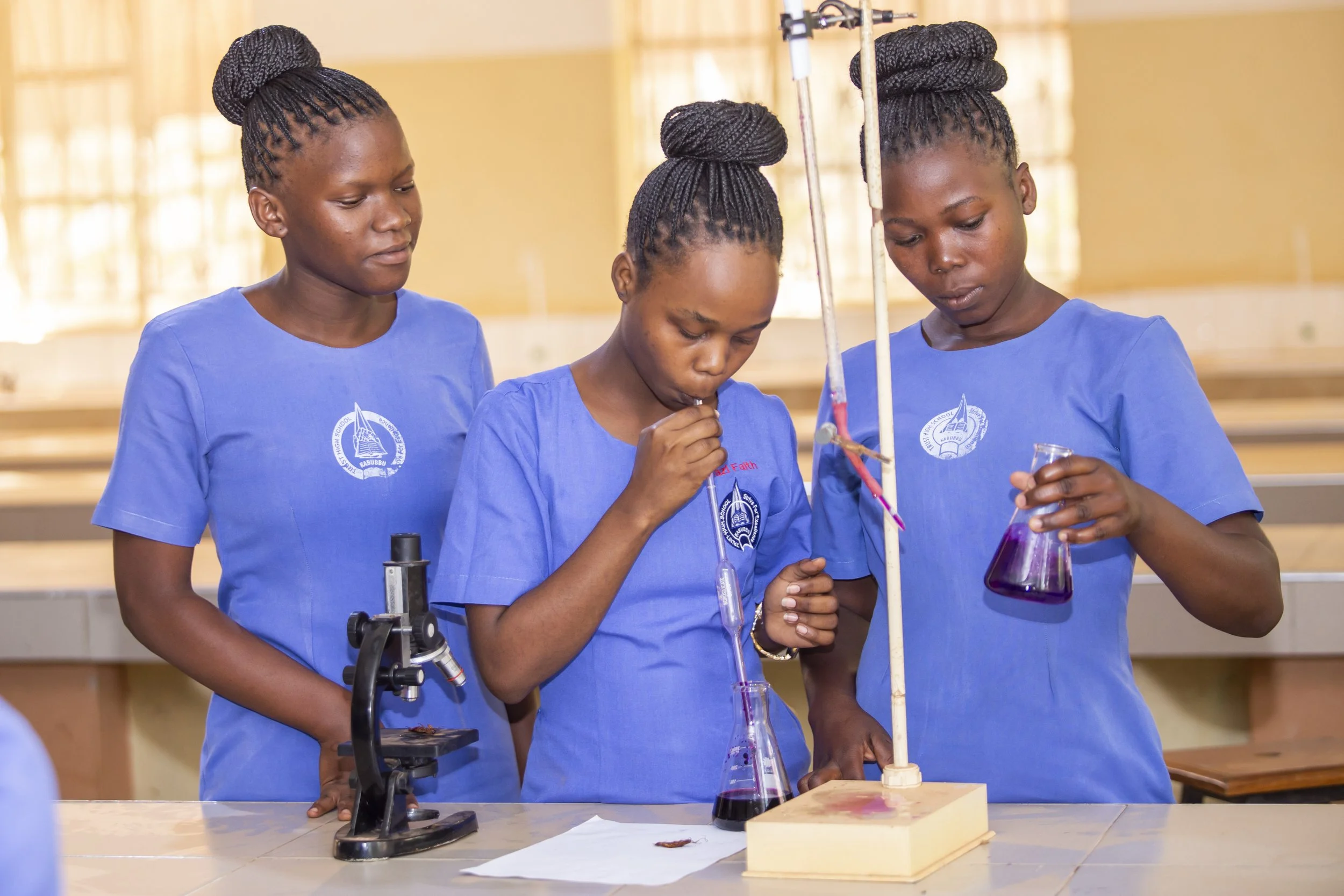
Trust High School offers quality secondary education to over 515 students annually. Approved by Uganda's Ministry of Education & Sports, we offer both O' and A' level programs across sciences and the arts, and have built a strong track record of academic excellence.
Students are encouraged to grow their talents through sports and games, dance and drama, debate, and a range of other co-curricular activities — helping them develop into well-rounded, confident young leaders.
Fonthill Vocational Institute
Fonthill Vocational Institute equips young adults with hands-on, market-ready skills for self-reliance, offering rigorous, career-focused training across five disciplines: Fashion and Design, Institutional Catering and Hotel Management, Computer Engineering, Electrical Installation, and Early Childhood Development and Child Care.
Graduates go on to become entrepreneurs and skilled professionals, driving economic transformation in Kabubbu and the wider community.
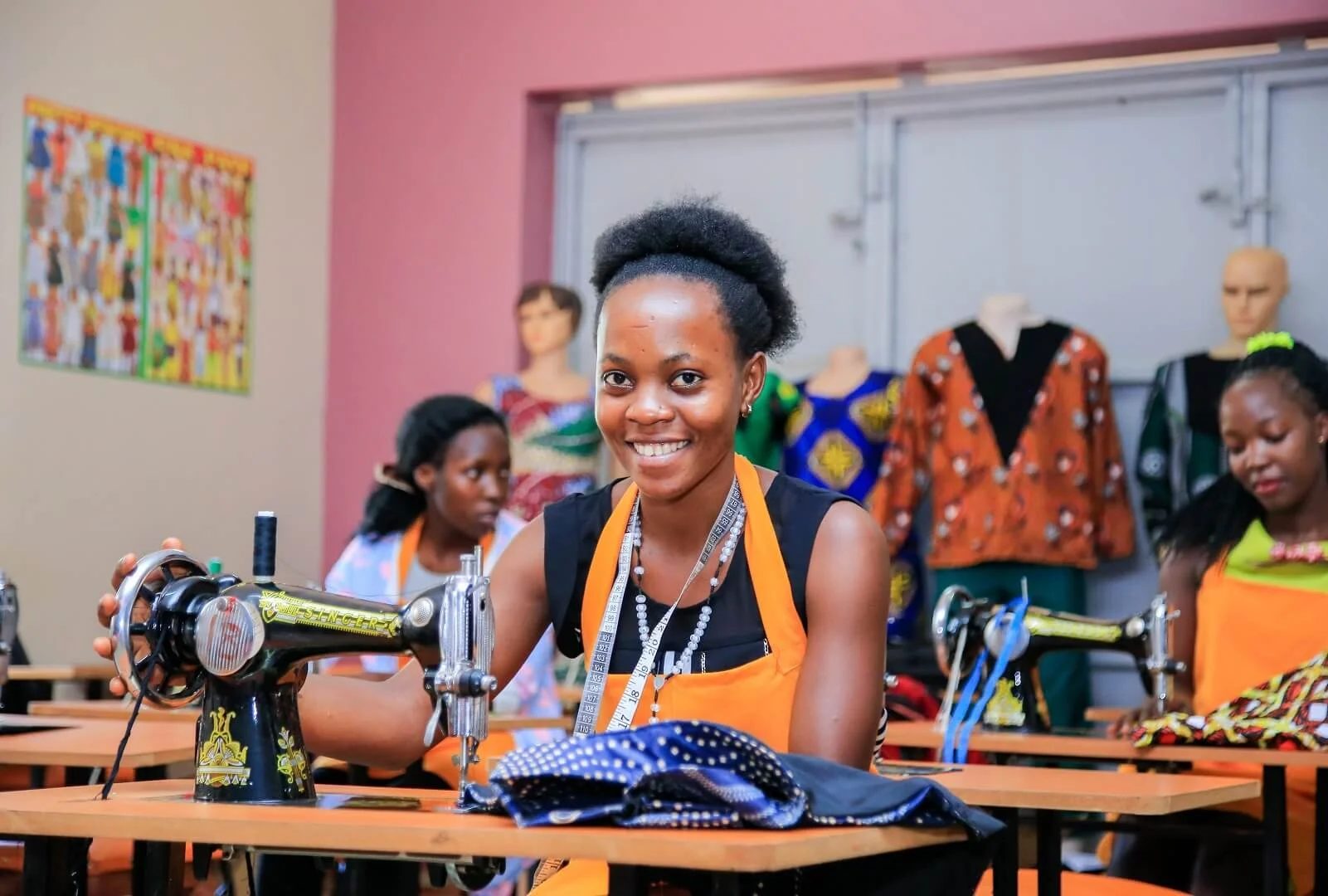
We focus on creating an environment of safety where students are encouraged to explore passions and grow into well-rounded individuals.
— HEALTH
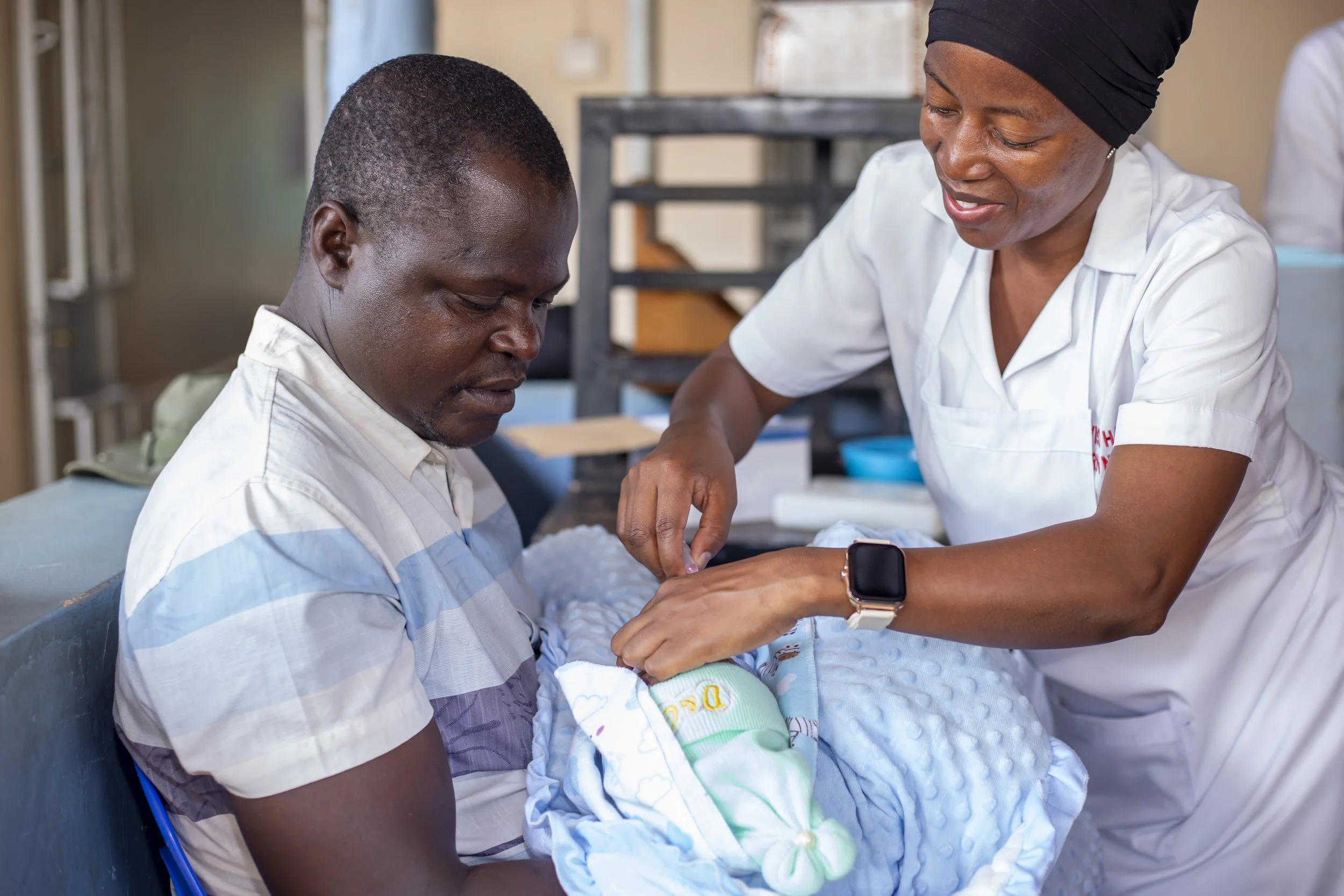
At the Kabubbu Health Center IV, we provide comprehensive, quality, and affordable patient-centered care to over 50,000 individuals annually. Since opening our doors in 2004, we have provided over one million patients with diagnostic, preventive, and curative medical care. A tier IV center with an accredited laboratory and operating theater.
Our Health Services Include:
Community Health Workers
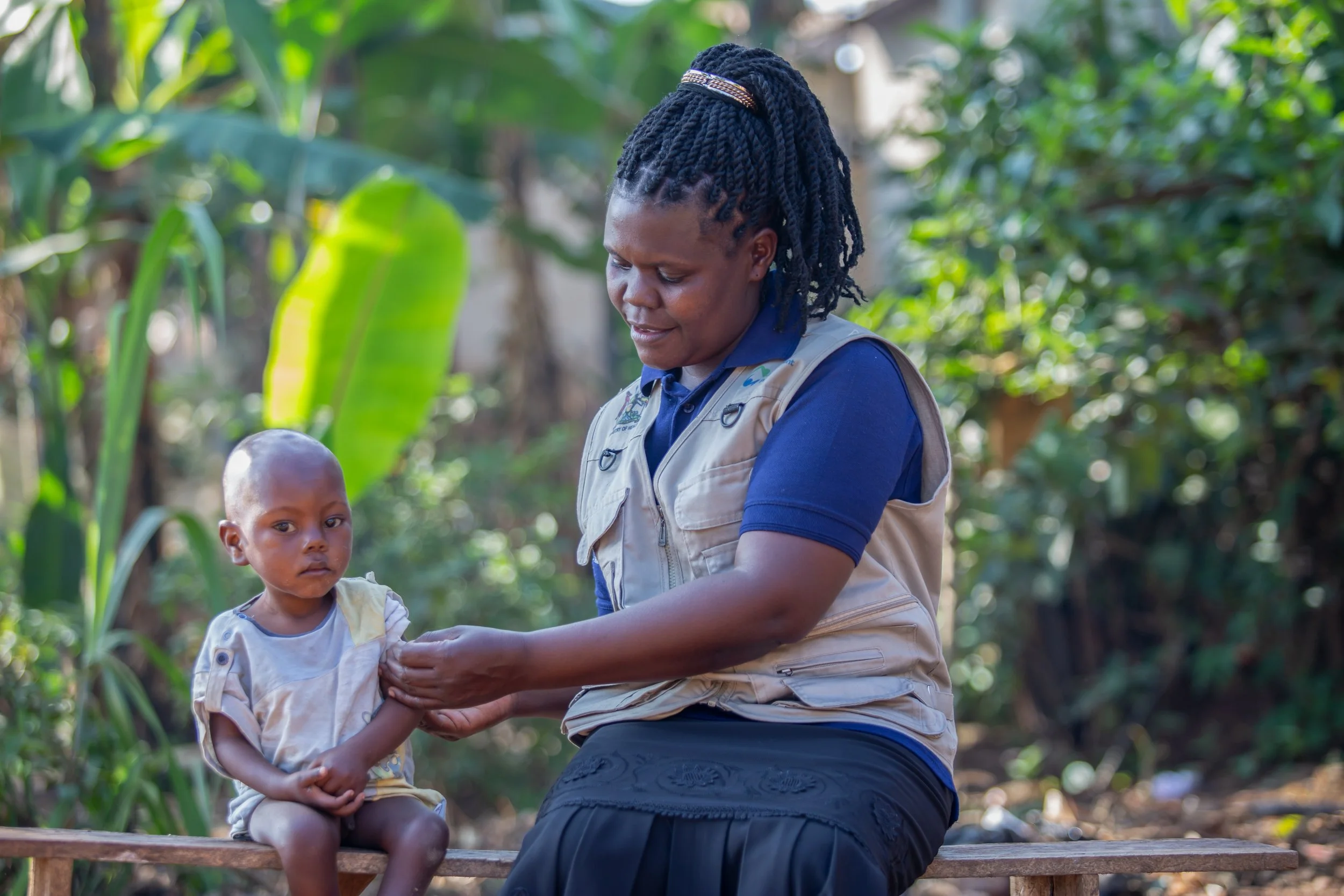
KDP's Community Health Workers (CHWs) serve as the vital link between families and Kabubbu Health Centre IV, bringing care directly into the 10 villages where they work.
Through Integrated Community Case Management (iCCM), our CHWs diagnose and treat uncomplicated cases of malaria, pneumonia, and other diseases at the household level — catching illness early, reducing delays in care, and preventing common conditions from becoming life-threatening emergencies. As the frontline of disease prevention, they deliver preventive, promotive, and basic curative care while connecting families to specialized medical services when needed.
Community Midwives
Our Community Midwives are often the first and most trusted point of contact for expectant mothers in Kabubbu. They conduct early pregnancy assessments, encourage timely antenatal care, and educate families on safe motherhood, birth preparedness, and newborn care.
Within 24 hours of a mother's discharge, Community Midwives visit the home to check on her recovery, examine the newborn, and screen both for danger signs — catching complications early and connecting families to further care when needed. They also mentor our Community Health Workers and provide family planning counselling and safe motherhood talks, ensuring no mother or baby falls through the cracks in the most vulnerable months of life.
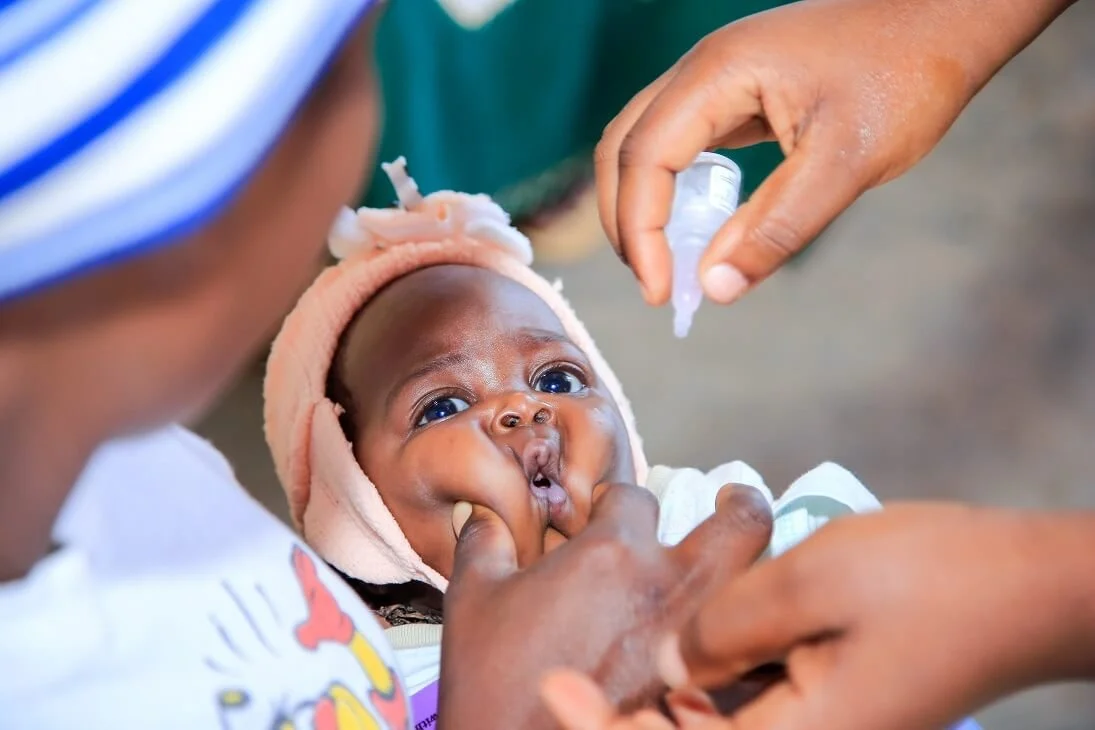
Looking ahead, KDP remains committed to expanding and strengthening its Community Health Workers and Midwives Programmes through recruitment, continuous capacity building, enhanced digital reporting systems, sustained advocacy for CHW professionalization, and long-term financing.
— LIVELIHOODS
Adults need access to economic opportunities, practical skills, and productive resources to build sustainable incomes for their families. KDP's Livelihoods Programme helps economically vulnerable community members strengthen their livelihoods through two complementary approaches:
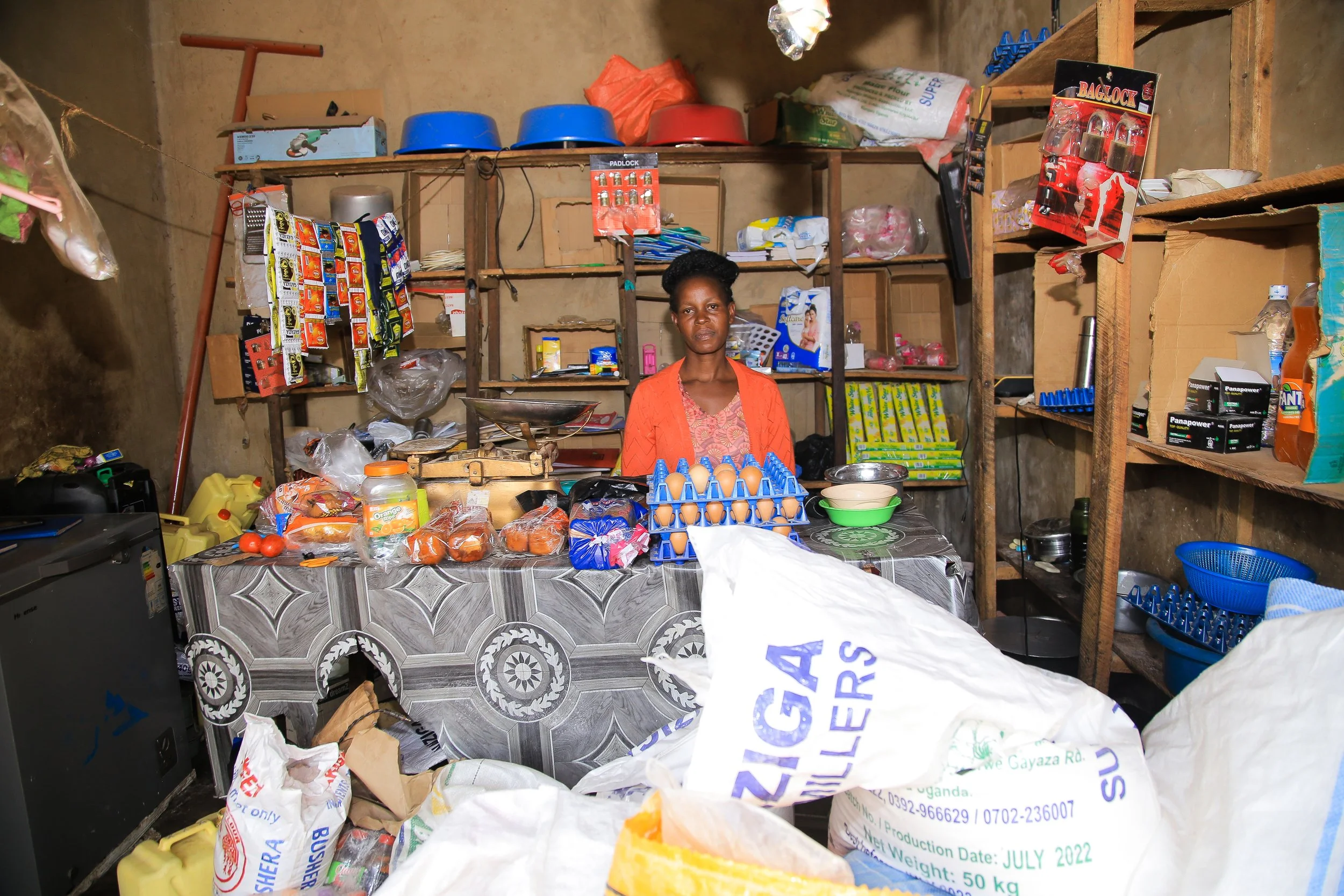
Entrepreneurship & Business Development
Using the Street Business School model, we provide practical training in financial literacy, marketing, customer management, and business planning. This approach builds both the skills and confidence entrepreneurs need to grow sustainable enterprises, not just survive day-to-day.
Agricultural Skills & Support
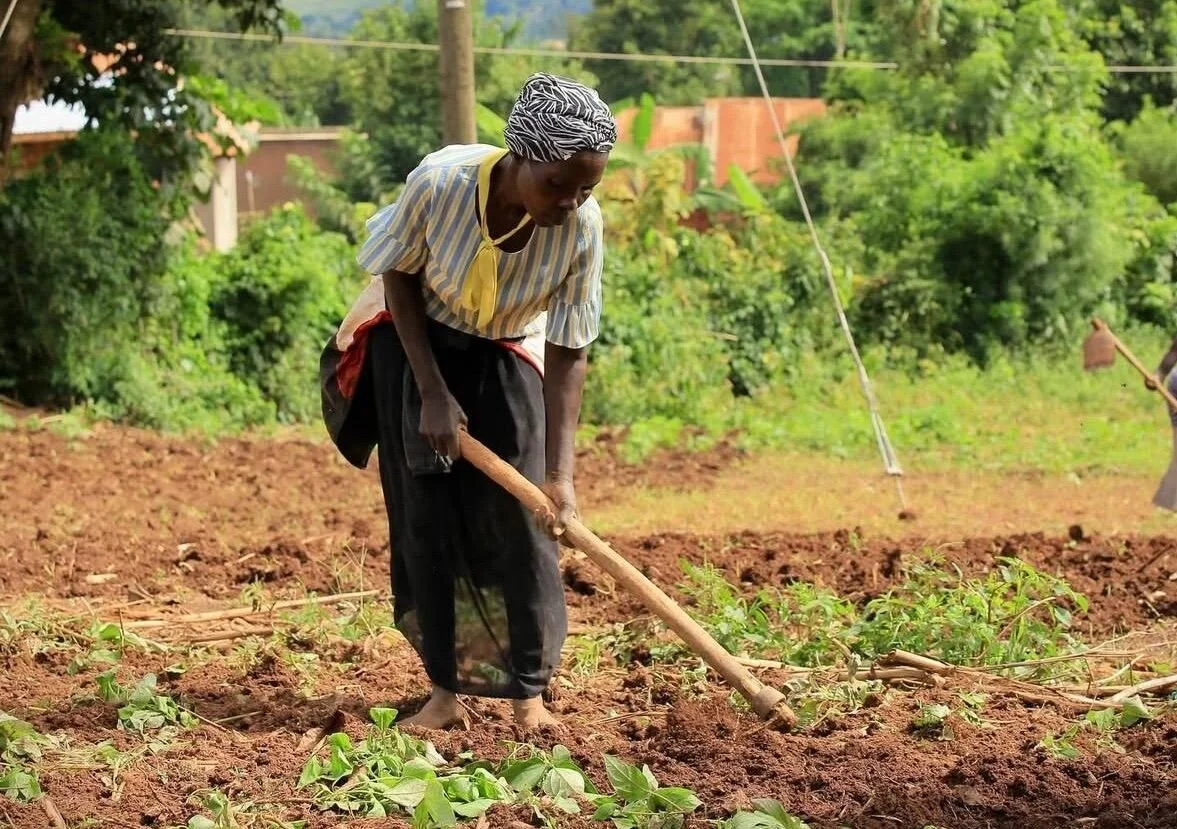
Through the Graze School of Farming, we train community members, especially vulnerable women, in improved farming practices like proper seed spacing and weeding. Participants apply this knowledge on KDP land using provided seeds and manure. At harvest, KDP purchases a portion of the crop, providing immediate income, while farmers keep the rest for their households improving their food security.
We also run Self-Help Groups (SHGs), bringing together women, youth, and other marginalized community members with loan capital and business training to launch or grow ventures. SHGs are rooted in participation, collective action, and self-reliance.
By investing in people, we help build self-sustaining paths out of poverty and toward economic independence.
— INITIATIVES
Beyond our three core programmes, KDP runs a set of community-rooted initiatives that reach people through the relationships and institutions already closest to them.
Self-Help Groups
Beyond economic empowerment, the Self-Help Group model nurtures leadership, accountability, and mutual support. It provides a safe space where members encourage one another, share experiences, solve challenges collectively, and overcome barriers such as limited access to formal financial services and employment opportunities.
Church
Through the church, we are able to identify and form issue-related groups and self-help groups to support the wider community.
Elderly Care
We provide food support, health care, and a monthly support group. Some elders are guardians to grandchildren of parents who have died — we offer them guidance, counselling, therapy, and mental health support.
Family Support
Recognizing that it is always best for a child to remain with their family whenever possible, we provide families in vulnerable positions with economic and psycho-social support to ensure children and adults are cared for.
Orphaned Children
While family-based care is always the first choice, we create a safety net for orphaned children through various direct care approaches.